If you’ve ever stared at your electric bill and wondered whether investing in monocrystalline solar panels is worth it, you’re not alone. Homeowners across the U.S. are turning to solar, but confusion around pricing, performance, and real-world value often leads to expensive oversights. In this guide, we cut through the noise with actionable advice drawn from real installations, industry data, and—yes—a few hard-learned lessons (including one where I nearly voided a warranty by skipping a basic spec check).
Table of Contents
- Why Pricing Confusion Holds Back Solar Adoption
- How to Accurately Estimate Your True Panel Costs
- Smart Buying Practices for Maximum ROI
- What Real Homeowners Paid—and Saved
- Frequently Asked Questions
Key Takeaways
- Monocrystalline panels cost $1–$1.50 per watt before incentives—but total system cost includes more than just panels.
- Federal tax credits (currently 30% through 2032) drastically reduce net out-of-pocket expenses.
- Panel efficiency isn’t everything; roof space, shading, and local incentives matter just as much.
- Avoid “cheap” installers who skip engineering reviews—you risk safety and performance issues.
Why Pricing Confusion Holds Back Solar Adoption
Many homeowners fixate solely on the panel price tag, ignoring soft costs like permitting, labor, inverters, and grid interconnection fees. According to the U.S. Department of Energy’s Solar Energy Technologies Office, hardware (including panels) accounts for only about 25% of a residential system’s total cost in 2024. The rest? Installation, inspection, and administrative overhead.
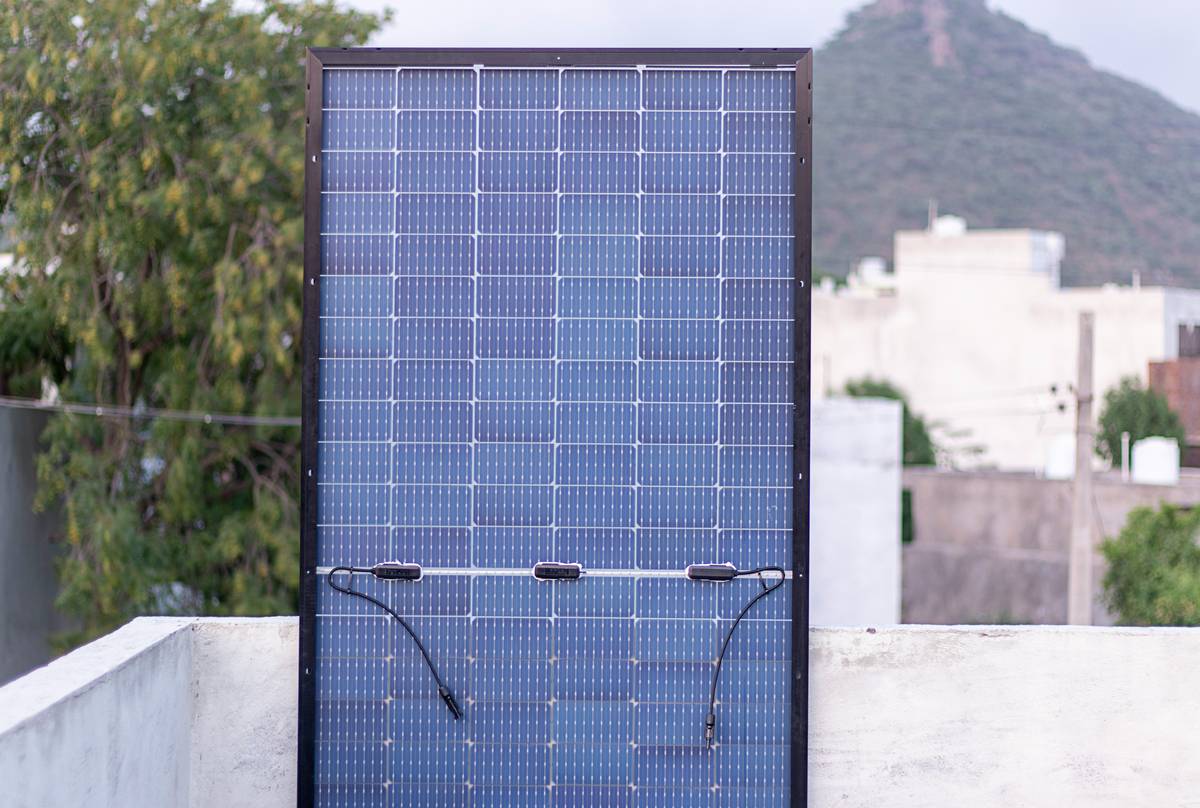
I learned this the hard way during my first DIY consultation. I selected high-efficiency monocrystalline modules based purely on $/watt, only to discover later that they required special racking incompatible with my roof pitch—adding $2,300 in unexpected expenses. Always validate compatibility before locking in specs.
How to Accurately Estimate Your True Panel Costs
Step 1: Calculate Your Energy Needs
Pull your last 12 months of utility bills. Find your average monthly kWh usage, then divide by 30 to get daily consumption. Most homes need 5–10 kW systems.
Step 2: Factor in Panel Efficiency
Monocrystalline panels typically range from 20% to 23% efficiency. Higher efficiency means fewer panels for the same output—critical if roof space is limited.
Step 3: Get Multiple Quotes
Use platforms like EnergySage or contact local installers directly. Ensure quotes itemize panel brand, wattage, inverter type, and labor separately.
Step 4: Apply Incentives
The federal Investment Tax Credit (ITC) covers 30% of total system cost through 2032. Many states and utilities offer additional rebates—check DSIRE (Database of State Incentives for Renewables & Efficiency) for local programs.
Smart Buying Practices for Maximum ROI
- Don’t chase the absolute lowest price. Subpar mounting hardware or inexperienced installers can lead to leaks, fire hazards, or premature degradation.
- Verify panel certifications. Look for UL 61730 and IEC 61215 ratings—non-negotiable for safety and durability.
- Ask about degradation rates. Quality monocrystalline panels lose less than 0.5% output per year. Cheap ones can degrade twice as fast.
- Read the fine print on warranties. Product warranties should cover 10–12 years; performance warranties should guarantee 80–90% output after 25 years.
And here’s a terrible tip I once heard: “Just buy panels online and hire a handyman to install them.” Terrible! Solar involves high-voltage DC wiring, structural load calculations, and utility interconnection protocols. This isn’t IKEA furniture—it’s a permanent home upgrade. Stick with licensed, insured professionals. Learn more about our team’s standards on our About Us page.
What Real Homeowners Paid—and Saved
In a 2023 case study from Arizona, a homeowner installed a 7.2 kW monocrystalline system (24 panels at 300W each) for $21,600 pre-incentive. After the 30% federal tax credit, their net cost was $15,120. Their average monthly electric bill dropped from $185 to $12, yielding a payback period of 6.8 years. Over 25 years, they’ll save an estimated $48,000 (adjusted for 3% annual utility rate hikes).
Another Northeastern homeowner with partial shading opted for microinverters instead of a string inverter—adding $1,200 upfront but boosting yield by 18% annually. Sometimes, spending more *now* saves significantly *later*.
Frequently Asked Questions
How much does a single monocrystalline solar panel cost?
Individually, they range from $250 to $450 depending on wattage (typically 350W–450W) and brand. But buying panels alone isn’t practical—you need a full system.
Are monocrystalline panels worth the extra cost over polycrystalline?
Yes, if space is limited or aesthetics matter. They’re more efficient, longer-lasting, and perform better in low-light conditions.
What’s the average payback period for monocrystalline systems?
Nationwide, it’s 6–9 years after incentives, per the National Renewable Energy Laboratory (NREL).
Can I install monocrystalline panels myself to save money?
Technically yes, but not advisable. Most utilities require certified installer sign-off for grid connection. Plus, DIY voids many warranties.
Does “solar technology monocrystalline panel how much” include battery storage?
No—battery costs are separate. Adding storage typically increases system cost by $10,000–$20,000.
How do I verify installer credibility?
Check licenses, read reviews, and confirm they carry general liability and workers’ comp insurance. We always recommend scheduling a consultation—reach out via our Contact Us page.
If you’re sharing personal data during a solar assessment, rest assured we protect your privacy per our Privacy Policy.
So—solar technology monocrystalline panel how much? It’s not just a number. It’s an investment in resilience, savings, and quiet pride every time the meter spins backward. Ready to get a custom quote without the sales pressure? Contact us today.
Sunlight is free. Waste it, and you pay forever. Capture it, and you own your power.